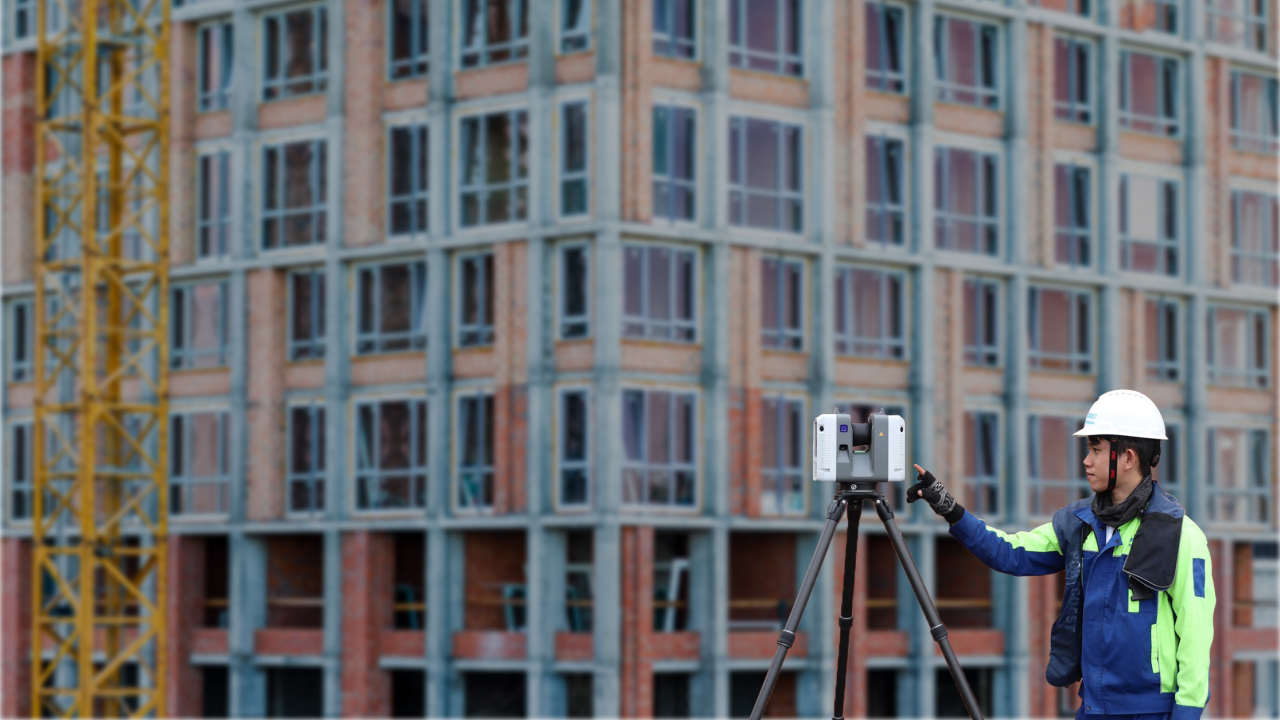
On busy construction sites, design plans often clash with real-world conditions, sometimes in very real ways. Contractors face unexpected clashes, outdated as-built data, and tight sequencing schedules that leave no room for error. When mechanical ducts don’t clear a beam or piping routes get rerouted mid-installation, the result is costly rework, schedule delays, and broken trust across trades. For the AEC industry, especially on complex renovation or infrastructure projects, relying on manual site measurements or legacy drawings is no longer viable.
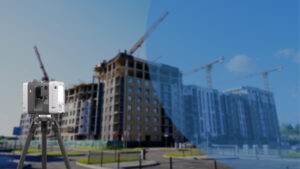
Scan to BIM offers a practical solution grounded in site reality. By capturing existing conditions through laser scanning and converting them into coordinated BIM models, teams gain a verified foundation to design, coordinate, and build with confidence. This isn’t about better visuals; it’s about reducing RFIs, enabling detailed prefabrication, and giving VDC teams the accuracy needed to lead proactive coordination. Whether you’re planning MEP integration, façade upgrades, or interior fit-outs, Scan to BIM services provide models that reflect what’s built down to the millimeter so construction starts with fewer unknowns and fewer surprises.
Top 10 AEC-Focused Benefits of Scan to BIM Services
Fixes the Gap Between Design Assumptions and Site Reality
Site drawings often miss critical elements like offset columns, unlevel floors, or undocumented wall shifts. Scan to BIM captures actual geometry, giving architects and contractors a precise base model to start from, avoiding incorrect design assumptions. This reduces reliance on RFIs and minimizes field surprises during early construction.
Cuts Down Costly Trade Clashes in MEP Coordination
Mechanical, electrical, and plumbing systems often compete for limited ceiling and shaft space. Using scan-derived models for coordination helps teams detect real-world conflicts early, reducing field-level delays and the need for on-site rerouting. It also allows BIM leads to run accurate clash detection using real spatial constraints.
Speeds Up Retrofit and Adaptive Reuse Projects
Renovation projects often face delays due to missing or outdated plans. Laser scanning quickly delivers a clear picture of the existing structure, helping design teams move forward with accurate models for layout, compliance, and approvals. This enables faster turnaround on design revisions and more confident cost planning.
Reduces Site Rework by Catching Errors Early
Uncoordinated installations can lead to clashes that require demolition or costly adjustments. It allows teams to run constructability checks before mobilization, reducing change orders and rework on active job sites. It helps eliminate downstream conflicts that typically arise during field installation.
Allows detailed Prefab for Complex Installations
Prefabrication depends on accurate measurements. With verified site data, contractors can confidently build MEP racks, riser modules, or wall panels off-site, knowing they will fit when installed without field adjustments. This improves installation efficiency and reduces costly idle time on-site.
Supports QA During Slab, Core, and Embed Installations
Incorrect placement of sleeves or embeds can compromise structural integrity and require core cutting. Post-pour scans help teams compare actual placement to design intent, enabling faster corrections and fewer structural issues. It enhances quality assurance without disrupting the construction schedule.
Aligns BIM Models to Actual LOD Requirements, Not Guesswork
Many design models fall short of required detail levels. Scan to BIM delivers verified conditions that meet LOD 300 or higher, supporting fabrication, sequencing, and cost estimation across design-build workflows. This ensures that model content aligns with both construction and owner expectations.
Minimizes Site Access Risks and Survey Downtime
Laser scanning can be done quickly with minimal crew and no disruption to ongoing site work. It limits the need for repeated manual measurements in active or hazardous areas, improving safety and productivity. Fewer site visits mean fewer disruptions to subcontractors and less liability exposure.
Provides Owners a Model That Actually Reflects What Was Built
Most project handovers include models based on design intent. Scan to BIM ensures owners receive accurate as-built BIM files that support facility management, future upgrades, and space utilization planning. This improves long-term asset management and reduces lifecycle maintenance costs.
Gives Field and Office Teams a Common Visual Language
Communication gaps between site and office teams often cause confusion. With scan-based models, project teams can reference the same real-world conditions, improving collaboration, approvals, and execution across all phases. It aligns expectations and reduces back-and-forth between trades, designers, and clients.
Conclusion
Construction teams today face intense pressure to deliver accurate work on tight schedules with minimal tolerance for error. Scan to BIM helps meet that challenge by anchoring design and coordination in verified site conditions. Instead of relying on outdated drawings or fragmented site notes, project teams can plan, model, and build with confidence using precise, scan-based data. This improves coordination across trades, supports faster prefabrication, and reduces rework during critical phases like MEP rough-ins and structural installs. It also ensures that owners receive a model that reflects actual built conditions, not just design intent. For contractors, engineers, and BIM managers working on high-stakes or renovation-heavy projects. Scan to BIM has become an essential part of delivering accurate, efficient, and accountable construction.


Recent Comments